
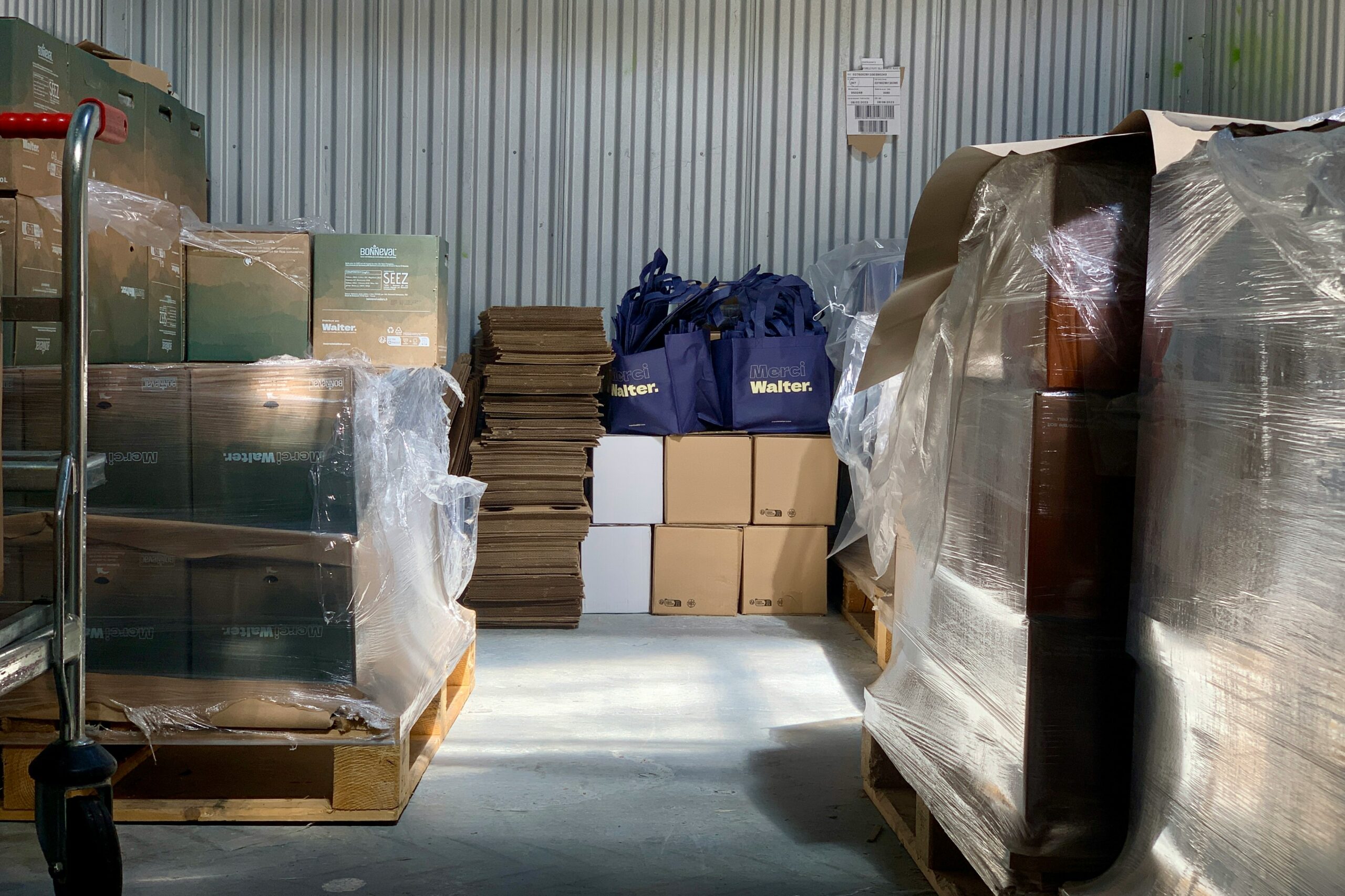
Every local business hits the same wall eventually; the stock outgrows the space.
The spare room fills up first. Then the garage. Then there are boxes stacked behind the counter, samples in the boot of the car, and a growing sense that the business is running you out of your house and home – literally.
The good news is you don’t need to sign a commercial lease to fix it. For a growing number of Mandurah businesses, a storage unit doubles as an affordable and flexible stockroom. Here’s how to stock your business inventory the smart way; and keep it organised once you have.
Why a Self-Storage Unit Beats a Warehouse (or Your Garage)
When stock outgrows the house, most business owners assume the next step is a warehouse or commercial shed, but it’s a big leap. Commercial leases around the Peel region come with long terms, outgoings, insurance obligations and rent that doesn’t care whether you’re having a quiet month.
A business storage unit sits in the sweet spot. You pay only for the space you need right now, and you can scale up to a bigger unit as your stock grows; or down after your busy season ends. There’s no lease lock-in, no fit-out and no outgoings.
It also beats the garage on every measure that matters: security, cleanliness, and the simple sanity of separating your business from your living space. Your stock isn’t sharing air with the lawnmower (plus, your family gets the garage back).
Step 1: Choose the Right Unit for Your Stock
Getting the size right is the foundation. Too small and you’ll be restacking boxes every week; too big and you’re paying for air.
As a rough guide, an online seller with a few hundred small items can often work from a small unit, while a retailer storing bulk or seasonal overflow will want something larger with room to move. If you’ll be picking stock regularly, size up slightly; you’ll need the aisle space, not just box space.
Drive-up access is worth prioritising for any business with regular deliveries. Being able to back the ute or van right up to the door turns a stock run into a ten-minute job. Our guide to what size storage unit you need is a good starting point, or reach out to our friendly team to help you match a unit to your stock levels.
Step 2: Set Up Your Unit Like a Mini Stockroom
The difference between a storage unit and a stockroom is about an afternoon of setup.
Done right, you’ll find any item in seconds; done wrong, you’ll be excavating boxes every time an order comes in.
Start with freestanding shelving along the walls, leaving a clear aisle down the middle so every shelf is reachable without moving anything. Keep your fastest-moving stock closest to the door and at waist height; slow movers and bulk backup stock can live up high or down the back.
Label everything – shelves, tubs and boxes – and use clear tubs where you can, so you can see contents at a glance. If you sell anything with a use-by or best-before date, arrange stock so the oldest sits at the front and gets picked first (the classic “first in, first out” rule).
Step 3: Keep Track of What You’ve Got
Storage solves the space problem – a simple system solves the “wait, do we have any left?” problem.
You don’t need enterprise software. A shared spreadsheet listing each product, its quantity and its shelf location covers most small businesses, and free inventory apps can take it further with barcode scanning from your phone. The key habits are simple: update counts when stock arrives or leaves, set a reorder point for each product so you order before you run out, and do a quick stocktake monthly (and a proper one at EOFY – our guide to organising your business storage unit for EOFY will walk you through it).
Seasonal businesses get a bonus here: a unit makes stock rotation painless. Christmas stock, winter lines and event inventory can be stored, counted and ready to deploy – instead of buried somewhere in the shed.
Step 4: Make Deliveries and Restocks Effortless
The businesses that get the most out of inventory storage treat their unit like part of their daily workflow, not a dumping ground.
With 24/7 access, you can restock the shop before opening, pick orders after the kids are in bed, or meet a courier deadline on a Sunday. Drive-up units mean pallets and bulk deliveries go straight from vehicle to shelf. And because the unit is secure and monitored, high-value stock is safer than it would be in a van, garage or back room.
Who Should Be Using Business Storage in Mandurah?
Around Mandurah and the Peel region, business storage suits more operations than you might expect. Online sellers and eBay/Etsy stores use units as fulfilment hubs. Retailers keep seasonal overflow and promotional stock off the shop floor. Market stallholders store their gazebos, tables and stock between weekends. Sales reps keep samples and marketing material somewhere smarter than the back seat. Cafes and salons store bulk supplies bought at better prices. And tradies – well, we’ve written a whole article on why storage units are a great tool for tradies.
A quick note on what can’t be stored: perishable goods, flammables and other restricted items aren’t suitable for self storage. If you’re unsure whether your stock qualifies, check our guide to what can’t be stored in a storage unit or give us a call before you book.
Why Mandurah Businesses Choose Go 2 Storage
Go 2 Storage is local and family owned, based in Erskine and servicing Mandurah, Falcon, Halls Head, Dawesville and across the Peel region.
For business customers, the practical stuff matters: 24/7 access so your stock is available on your schedule, drive-up units for easy deliveries, a range of sizes so you only pay for what you need, and packing supplies on site. There’s even a free move-in truck and trailer to get your stock in without hiring one.
If you’re ready to move in your business, enquire today to get started.
Business Inventory Storage FAQs
Can I run my business out of a storage unit?
You can store, organise, pick and pack stock from your unit – many online sellers do exactly that. What you can’t do is operate a storefront or workshop from the unit itself. Think stockroom, not shopfront.
Is a storage unit cheaper than a warehouse?
For small to medium stock volumes, significantly – you avoid long leases, outgoings and fit-out costs, and you can change unit sizes as your stock levels change.
Can couriers deliver to my storage unit?
Policies vary, so chat to the team about the best way to handle deliveries. Many business customers simply meet couriers on site – easy to do with 24/7 access.
What stock can’t I store?
Perishables, flammable or hazardous goods, and anything illegal. See our full guide to what can’t be stored.
What size unit does my business need?
It depends on your stock volume and how often you pick from it – if you’re picking regularly, allow extra room for shelving and an aisle. Our size guide can help, or contact us for a recommendation.
Give Your Business Room to Grow
Stock should be an asset, not a housemate. With a well-organised business storage unit, your inventory stays secure, sorted and ready to move – and your home goes back to being a home.
Book your business storage unit online or call the friendly local team at Go 2 Storage to find the right fit for your stock.